
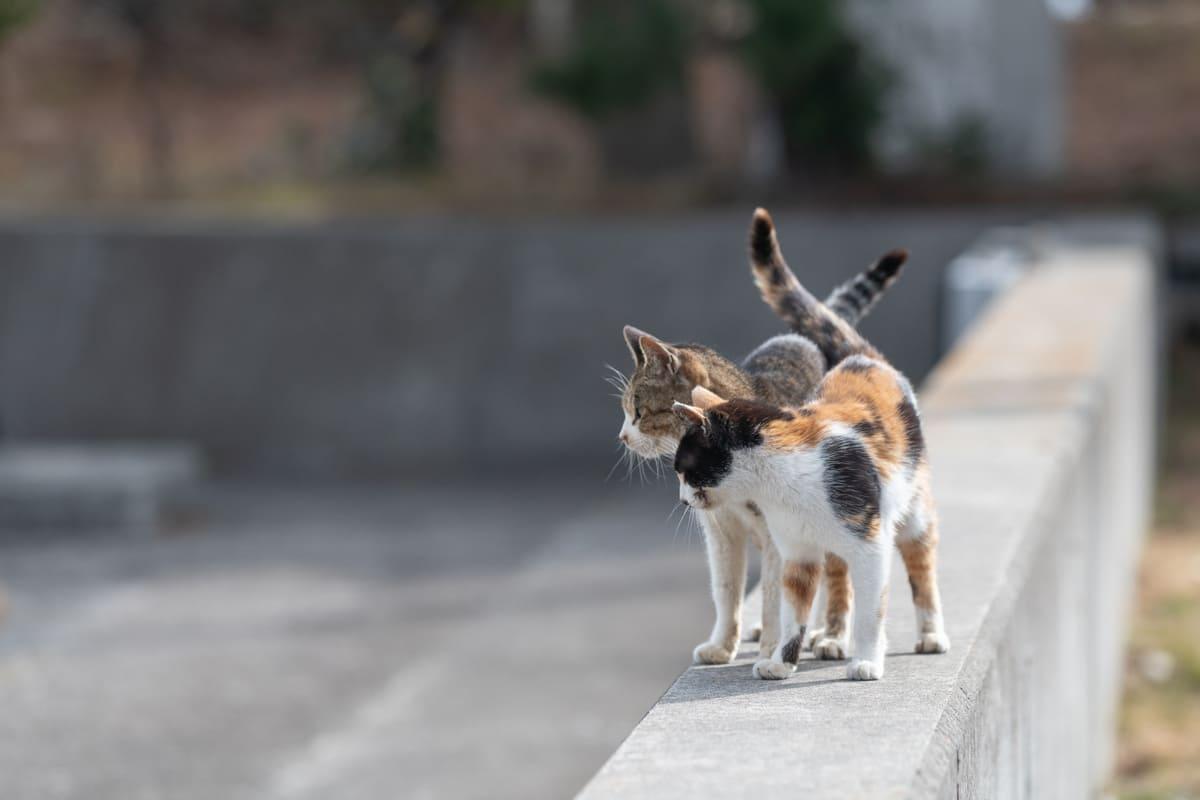
Finding a stray cat can raise many questions: is it lost? Does it need help? How should I act? This article will guide you step by step on how to help a stray cat responsibly, prioritizing its well-being and avoiding common mistakes. At Sanicat, we care about animal welfare and want to provide you with the necessary information to make the best decision.
How to tell if a cat is a stray or just lost?
Before assuming that a cat you see on the street is a stray, it is important to determine if it is simply lost. Observe its appearance:
- Physical condition: Is it thin, dirty, or has matted fur? A stray cat usually has a more neglected appearance.
- Behavior: Is it fearful and elusive, or does it approach people looking for food or attention? A lost cat may be disoriented and seeking help.
- Collar: Is it wearing a collar with ID? If so, try to contact its owners.
If the cat looks healthy, well-fed, and is wearing a collar, it likely has owners and has simply wandered off. In this case, you can ask neighbors or post photos on social media to try and locate its family. If the cat appears to be in poor condition or has no identification, it is more likely to be a stray cat in need of help.
First steps if you find a cat on the street
If you have found a cat on the street and believe it needs help, these are the first steps to follow:
- Approach with caution: Speak in a soft voice and offer food and water. Do not try to catch it by force, as it might get scared and run away.
- Observe its health: Does it have wounds, a limp, appear lethargic, or show symptoms of illness? If so, it needs urgent veterinary attention.
- Search for its owners: Post photos of the cat on social media, lost pet groups, and contact local shelters.
- Consult a veterinarian: Even if the cat looks healthy, it is important to have a vet check it to rule out diseases and parasites.
What to do if the stray cat is injured or sick?
If the stray cat has wounds, limps, has difficulty breathing, or shows signs of illness, it is essential that it receives urgent veterinary care.
- Contact a veterinarian: Explain the situation and ask if they can treat the cat for free or at a low cost.
- Safe transport: If possible, take the cat to the vet clinic in a carrier or a cardboard box. If you don’t have a carrier, you can carefully wrap it in a blanket.
- Inform the authorities: If you cannot afford veterinary care, contact your local council's animal collection service or a local shelter.
Can I take a stray cat home?
Taking in a stray cat is a major decision that involves responsibility and commitment. Before doing so, it is essential to assess whether you have the space, time, and resources to cover its basic needs, such as food, veterinary care and daily care with high-quality litter like our Sanicat Classic 7-day Freshness Aloe Vera or our Sanicat 100% Green Vegetal Clumping Litter, which is biodegradable and safe for cats.
You should also consider if you live with other pets, as the introduction must be gradual to avoid stress or conflict. Furthermore, adopting a cat is a long-term commitment, as they can be your companion for many years.
If you decide to take it in, prepare a quiet space where it can feel safe, with food, water, a litter box, and a bed. Be patient during the first few days and allow it to adapt at its own pace.
At Sanicat, we offer a variety of litters that can help maintain the cat's hygiene during its adaptation. For example, our Sanicat Strong Clumps scented clumping cat litter is ideal for controlling odors and making it easier to clean the litter box.
How to help abandoned kittens on the street?
Finding abandoned kittens on the street is a particularly delicate situation. If you find lost kittens, it is important to act quickly and cautiously:
- Observe the situation: Are they alone or is the mother nearby? If the mother is present, it is better not to intervene, as she will take care of them.
- Contact a shelter: Inform a local shelter about the situation. They will give you instructions on how to act and, if necessary, take charge of the kittens.
- Basic care: If you decide to foster the kittens temporarily, provide them with warmth, food, and water.
Responsible options: adoption, foster homes, and shelters
If you cannot keep the stray cat permanently, there are other responsible options to help:
- Adoption: Look for a responsible home for the cat. Post photos and descriptions on social media and reach out to friends and family.
- Foster home: Offer your home as a temporary foster home until the cat finds a forever home. Shelters often need foster homes for animals that need special care or are waiting for adoption.
- Shelter: Take the cat to a local shelter. They will provide veterinary care, food, and a safe home until it finds an adoptive family.
Helping a stray cat is an act of responsibility and compassion. Remember that all animals deserve a dignified and happy life. By following these tips, you can make a difference in the life of a stray cat and contribute to its well-being.
It is important to remember that the situation of abandoned kittens on the street is a problem that requires everyone's collaboration. If you find lost kittens, contact a local shelter for advice on how to proceed.