
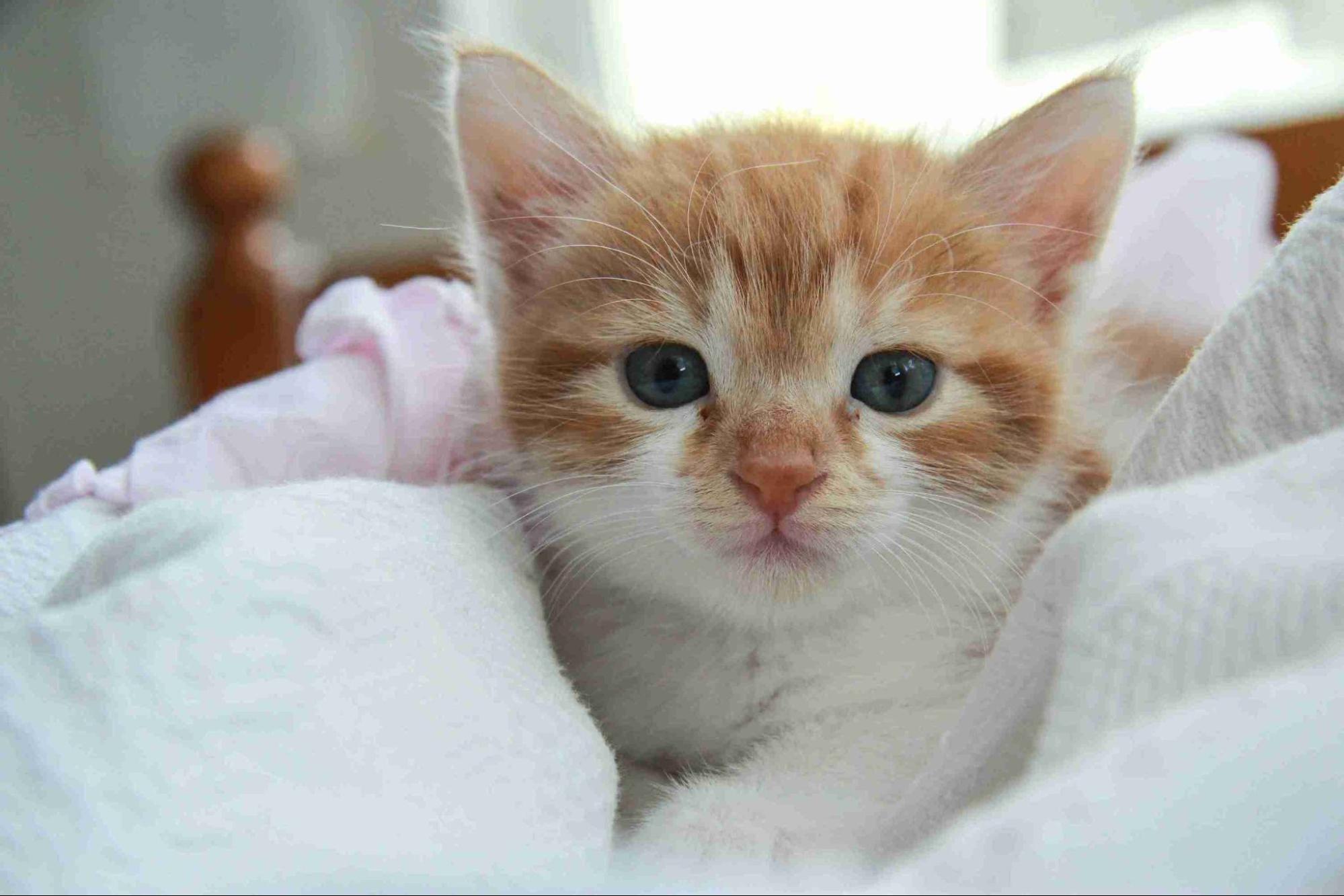
Cats are well known for being sleepyheads. You have almost certainly seen them curled up in a cosy corner for hours on end. But how many hours does a cat sleep a day, and what influences their sleeping habits? If you have ever wondered why your feline friend spends more time asleep than awake, you are not alone. Let’s discover how much cats sleep, what affects their rest, and how it varies according to age, environment, and health.
Cat’s sleep: a natural behaviour
Sleeping for many hours is a natural behaviour in cats, inherited from their wild ancestors. Unlike humans, cats follow a polyphasic sleep cycle, which means they take several naps throughout the day. This instinct allows them to conserve energy for moments of intense activity, mimicking the hunting patterns of felines in the wild. Furthermore, their sleep is influenced by their diet, environment, and daily routine.
Why do cats sleep for so many hours?
Cats sleep a lot for several reasons:
- Energy conservation: As descendants of hunters, cats have developed the habit of resting between bursts of intense activity. Although domestic cats no longer hunt to survive, this instinct remains.
- Light sleep: Unlike humans, cats only enter deep sleep for short periods, spending most of their time in a state of light drowsiness that allows them to react quickly to potential threats.
- Age and lifestyle: Kittens and senior cats sleep more than active adults. Kittens need extra sleep for growth, while older cats require more rest due to decreasing energy levels.
- Comfort and environment: A quiet, warm space encourages prolonged sleep. Providing a soft bed or an elevated spot can improve their rest and make them feel secure.
Understanding how much a cat sleeps helps in recognising their needs and ensuring they get adequate rest.
How much does a cat sleep at different stages of its life?
A cat's sleep cycle varies according to its age. Kittens, adults, and senior felines all have different rest requirements.
How many hours do adult cats sleep?
If you are wondering how many hours a cat sleeps a day, it is usually between 12 and 16 hours, but the answer also depends on their routine. Indoor cats with fewer stimuli may sleep more, while those with outdoor access or interactive play may rest less.
How many hours does a kitten sleep?
Kittens sleep even more than adults; a baby cat usually sleeps between 18 and 22 hours a day. This rest is crucial for their physical and cognitive development
Sleep is fundamental for a kitten's growth, as their body releases essential hormones that strengthen muscles, bones, and the immune system. During rest, their brain also processes new experiences, reinforcing learning and adaptation to their environment. To keep their environment clean and comfortable, it is important to choose a good kitten litter, such as SANICAT Kitten litter, which contains fine granules that are gentle on their paws and sensitive skin.
Factors that influence cat's sleep
Cat's sleep depends not only on age but also on their environment and state of health.
Environment and physical activity
The amount of sleep a cat gets can be affected by:
- Daily activity: Active cats sleep more deeply. An environment with toys, climbing areas, and interactive games helps balance their energy and rest. Regular physical activity not only promotes better rest but also reduces stress and improves overall health.
- Environmental factors: Noise, temperature, and the presence of people or other pets can affect how much cats sleep. A quiet, warm place encourages restorative sleep.
- Diet and schedules: A well-fed cat sleeps better. Following a stable feeding schedule helps regulate their sleep cycle. A cat on a balanced, nutritious diet will have more energy during the day and rest better during sleep. Conversely, a hungry cat or one with digestive issues may experience disrupted rest.
Health and habits
Health status directly influences how many hours a cat sleeps. Issues such as stress, pain, or illness can cause them to sleep more or have difficulty resting. Conditions like arthritis or anxiety can alter their sleep cycle.
Using the right products for their hygiene and well-being is also essential. For example, using biodegradable wet wipes with natural ingredients such as witch hazel, chamomile and vitamin E can prevent discomfort in sensitive areas, as can using a high-quality clumping litter, such as SANICAT's natural white bentonite clumping litter. It is important to observe changes in cats' sleeping habits. If they sleep too much, it may be advisable to consult a vet.
Understanding how much cats sleep helps improve their quality of life. Whether it is an energetic kitten or a calm adult cat, providing a clean and comfortable environment is fundamental for their well-being. Discover our collection and improve your pet’s quality of life!